61,100 تومان
در حال حاضر موجود نمی باشد
علاقه مندان : 10 نفر
وضعیت : فعال
تعداد مرجوعی : 0
دنبال کنندگان : 12 نفر
قدمت : 13 سال و 2 ماه و 1 روز
وزن : 20 گرم
کل فروش : 12938 عدد
تعداد سفارش ها : 767 سفارش
4 از 5.0 با 9 رای
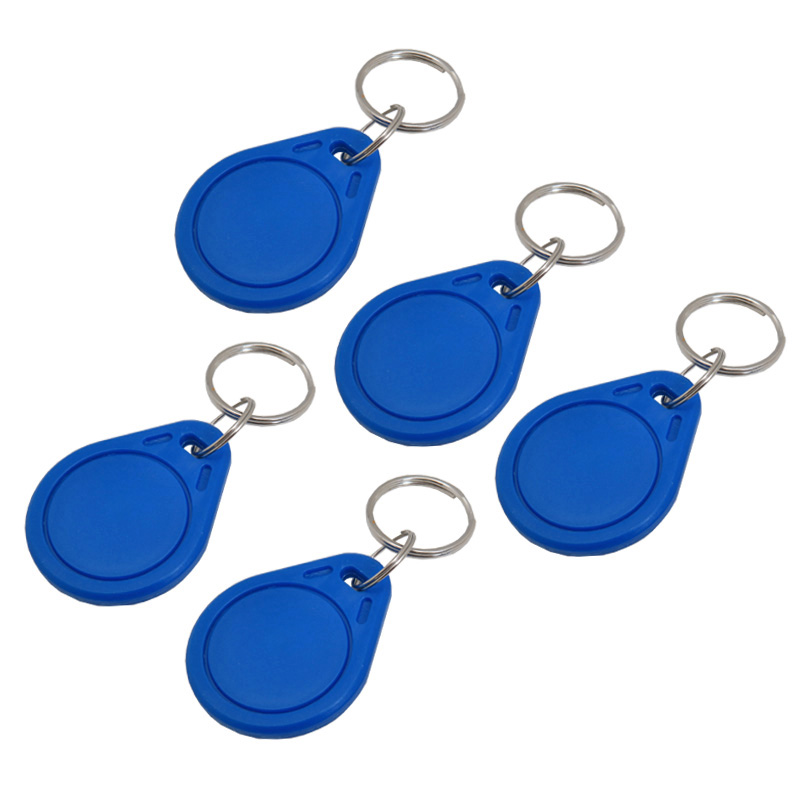
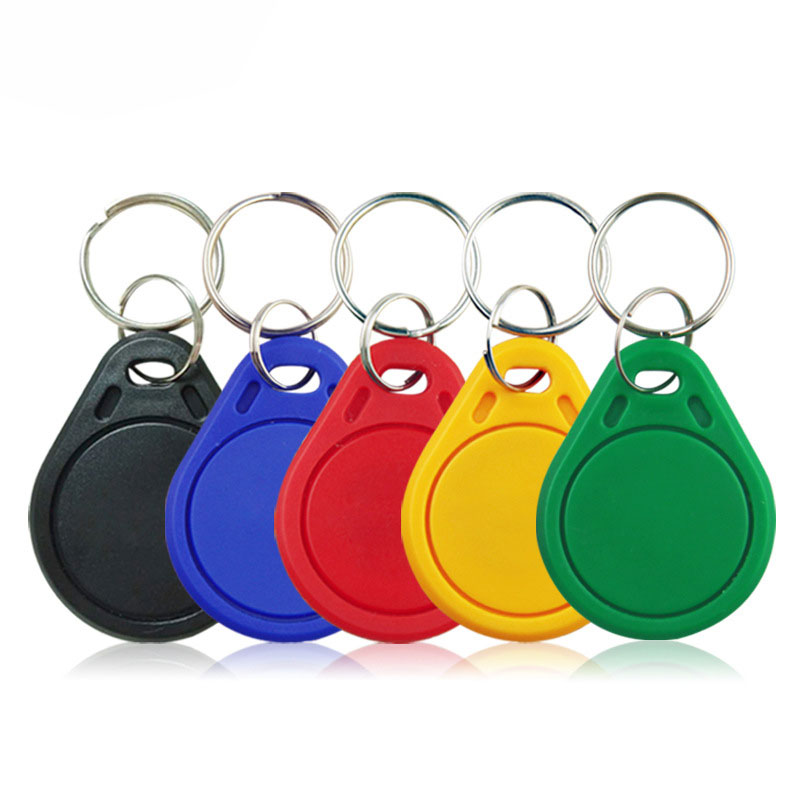
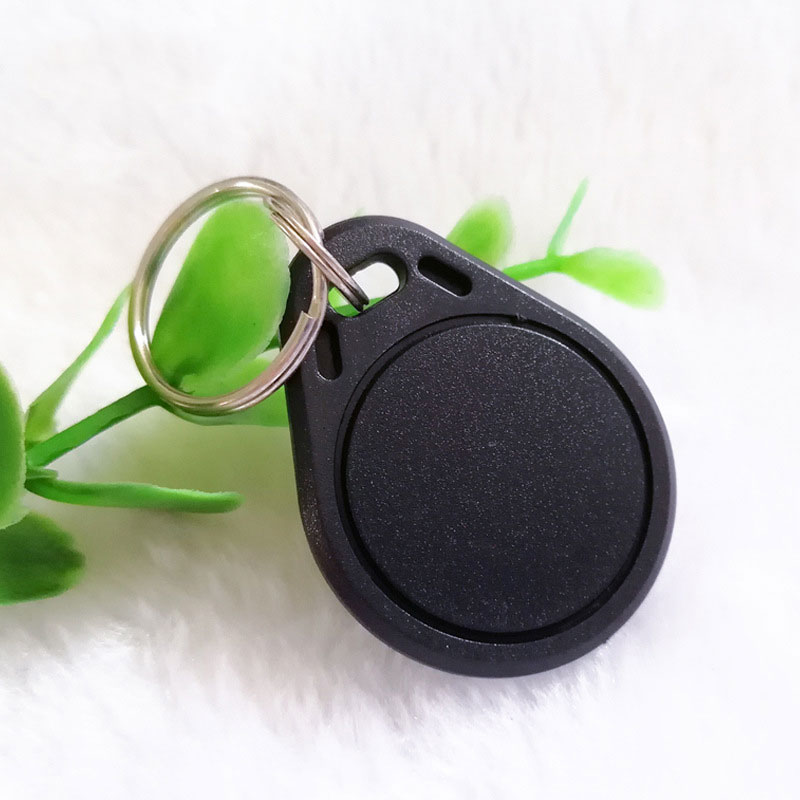
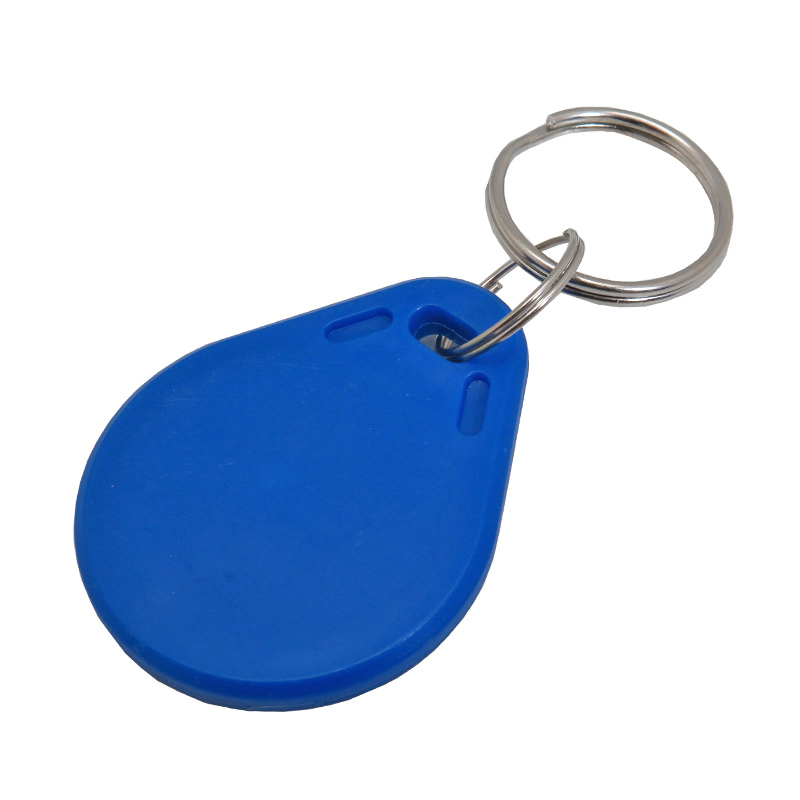
ماژول RFID قابل برنامه ریزی با تراشه داخلی و آنتن - تگ nfc
تگ RFID سر کلیدی IC key با فرکانس 13.56 مگاهرتز یا تگ nfc یک سیستم شناسایی با امواج رادیویی پیشرفته است که امکان خواندن و نوشتن اطلاعات را به شکل دقیق و سریع فراهم می کند . این محصول شامل تراشه RFID سر کلیدی و آنتن داخلی می باشد که داده ها را به دستگاه کدخوان RFID منتقل می کند و با نزدیک شدن به کدخوان فعال می گردد . تراشه داخلی قادر به ذخیره سازی اطلاعات تا 2000 بایت است و برای کاربردهای صنعتی و تجاری با تعداد زیاد تگ بهینه شده است .
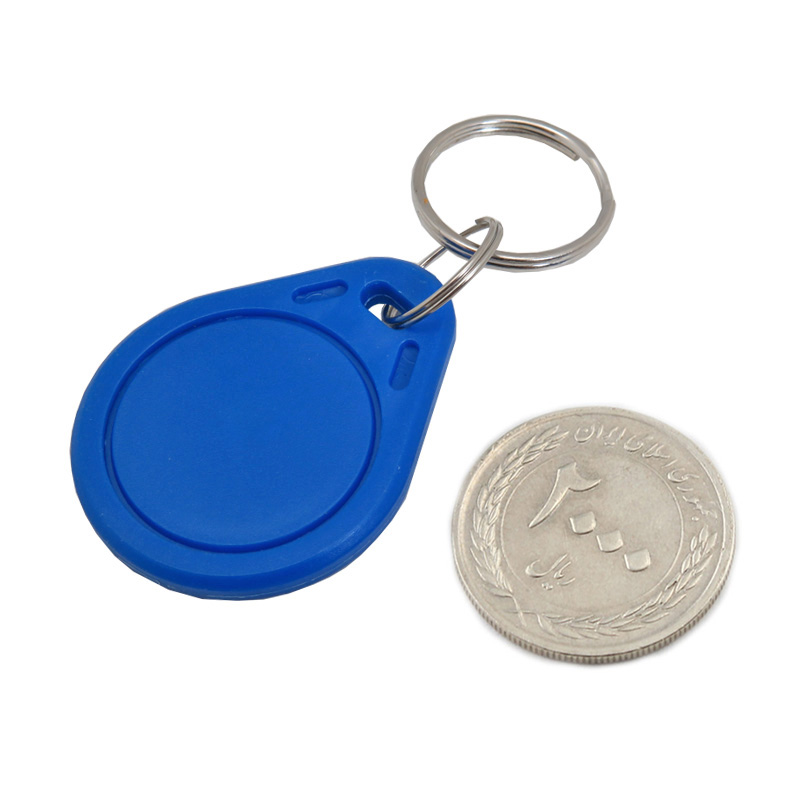
تگ جاکلیدی RFID با ابعاد : 51x15x5 میلی متر طراحی شده و ضد آب می باشد ، بنابراین به راحتی قابل حمل است و برای مدیریت دارایی ها ، ردیابی تجهیزات و کنترل دسترسی مناسب است . سیستم شناسایی RFID با قابلیت خواندن و نوشتن اطلاعات امکان پردازش همزمان چندین تگ در محدوده کدخوان را فراهم می نماید و از خطاهای احتمالی جلوگیری می کند . این ویژگی باعث می شود تا سازمان ها بتوانند دارایی ها و تجهیزات خود را به شکل هوشمند و بهینه مدیریت نمایند .
تگ RFID فرکانس 13.56 مگاهرتز می تواند Read Only باشد و شماره سریال کارخانه ای را ذخیره کند یا Read / Write باشد تا اطلاعات اختصاصی هر شیء بر روی آن نوشته شود . کاربردهای این محصول شامل ردیابی خودرو ، مدیریت زنجیره تامین ، کنترل زمان و حضور و غیاب ، سامانه های پرداخت RFID و شناسایی شخصی می باشد.
با توجه به شماره سریال منحصر به فرد هر تگ می تواند بین چندین تگ موجود در محدوده کدخوان تمایز قائل شود و اطلاعات را با دقت و سرعت منتقل نماید . این فناوری برای کنترل دسترسی ، مدیریت دارایی ، ردیابی اسناد و تجهیزات ، و سیستم های هوشمند تلفن همراه کاربردهای متنوع و ارزشمندی ارائه می دهد و باعث بهینه سازی فرآیندهای صنعتی و تجاری می شود و امکان مدیریت هوشمند و بدون خطا را فراهم می کند.
تگ جاکلیدی RFID با ابعاد : 51x15x5 میلی متر طراحی شده و ضد آب می باشد ، بنابراین به راحتی قابل حمل است و برای مدیریت دارایی ها ، ردیابی تجهیزات و کنترل دسترسی مناسب است . سیستم شناسایی RFID با قابلیت خواندن و نوشتن اطلاعات امکان پردازش همزمان چندین تگ در محدوده کدخوان را فراهم می نماید و از خطاهای احتمالی جلوگیری می کند . این ویژگی باعث می شود تا سازمان ها بتوانند دارایی ها و تجهیزات خود را به شکل هوشمند و بهینه مدیریت نمایند .
تگ RFID فرکانس 13.56 مگاهرتز می تواند Read Only باشد و شماره سریال کارخانه ای را ذخیره کند یا Read / Write باشد تا اطلاعات اختصاصی هر شیء بر روی آن نوشته شود . کاربردهای این محصول شامل ردیابی خودرو ، مدیریت زنجیره تامین ، کنترل زمان و حضور و غیاب ، سامانه های پرداخت RFID و شناسایی شخصی می باشد.
با توجه به شماره سریال منحصر به فرد هر تگ می تواند بین چندین تگ موجود در محدوده کدخوان تمایز قائل شود و اطلاعات را با دقت و سرعت منتقل نماید . این فناوری برای کنترل دسترسی ، مدیریت دارایی ، ردیابی اسناد و تجهیزات ، و سیستم های هوشمند تلفن همراه کاربردهای متنوع و ارزشمندی ارائه می دهد و باعث بهینه سازی فرآیندهای صنعتی و تجاری می شود و امکان مدیریت هوشمند و بدون خطا را فراهم می کند.
کاربرد :
- کنترل دسترسی : استفاده در درب های ساختمان های اداری و مراکز صنعتی برای ورود پرسنل مجاز
- مدیریت و پیگیری دارایی ها : ثبت و ردیابی تجهیزات و موجودی انبار شرکت ها و کارخانه ها
- ردیابی تجهیزات و اسناد : دنبال کردن مدارک مهم و دستگاه های پزشکی در بیمارستان ها
- سامانه های پرداخت RFID : پرداخت عوارض بزرگراه ها یا استفاده در کارت های حمل و نقل عمومی
- کنترل زمان و حضور و غیاب : ثبت ورود و خروج کارکنان در دفاتر و کارگاه ها
- شناسایی خودرو و تعیین سطح دسترسی : تعیین خودروهای مجاز برای پارکینگ های خصوصی یا سازمانی
مشخصات :
- فرکانس : 13.56 مگاهرتز
- نوع تگ : Passive ، قابلیت حافظه Read Only یا Read / Write
- حافظه : EEPROM تا 2000 بایت
- ساختار تگ : تراشه الکترونیکی ، آنتن و بستر نگهدارنده
- ضد آب : بله
- ابعاد : 51x15x5 میلی متر
امکانات :
- قابلیت خواندن و نوشتن اطلاعات
- ضد آب و قابل حمل آسان
- شناسایی منحصر به فرد هر تگ
Description:
In an effort to lower Tag cost and address applications of high quantity Tags usage, the 13.56-MHz solution was born. At this frequency, a Tag’s coil need not be made of hard copper wrappings. The coil can actually be a printed ink on a paper-like substrate which then has an EEPROM added to it. During the mid to late 1990s, 13.56 MHz was the vogue technology that many experts saw as a path to addressing high quantity applications necessitating low Tag costs.
RFID tags are made out of three pieces: a microchip(an integrated circuit that stores and processes information and modulates and demodulates radio-frequency (RF) signals), an antenna for receiving and transmitting the signal and a substrate. Passive RFID tags use three main frequencies to transmit information: 125 – 134 KHz, also known as Low Frequency (LF), 13.56 MHz, also known as High Frequency (HF) and Near-field Communication (NFC), and 865 – 960 MHz, also known as Ultra High Frequency (UHF).
Tags may either be read-only, having a factory-assigned serial number that is used as a key into a database or maybe read/write, where object-specific data can be written into the tag by the system user. Field programmable tags may be write-only, read-multiple; "blank," tags may be written with an electronic product code by the user.
The RFID tag receives the message and then responds with its identification and other information. This may be only a unique tag serial number or maybe product-related information such as a stock number, lot or batch number, production date, or other specific information. Since tags have individual serial numbers, the RFID system design can discriminate among several tags that might be within the range of the RFID reader and read them simultaneously.
Since an active RFID is constantly sending out a signal, it makes an excellent choice for those looking for up-to-the-minute live trackings, such as in tolling and real-time vehicle tracking applications. They are an expensive product, but they do offer a long read range, which may be preferred depending on their application.