موجودی انبار : 36 عدد
4 از 5.0 با 55 رای
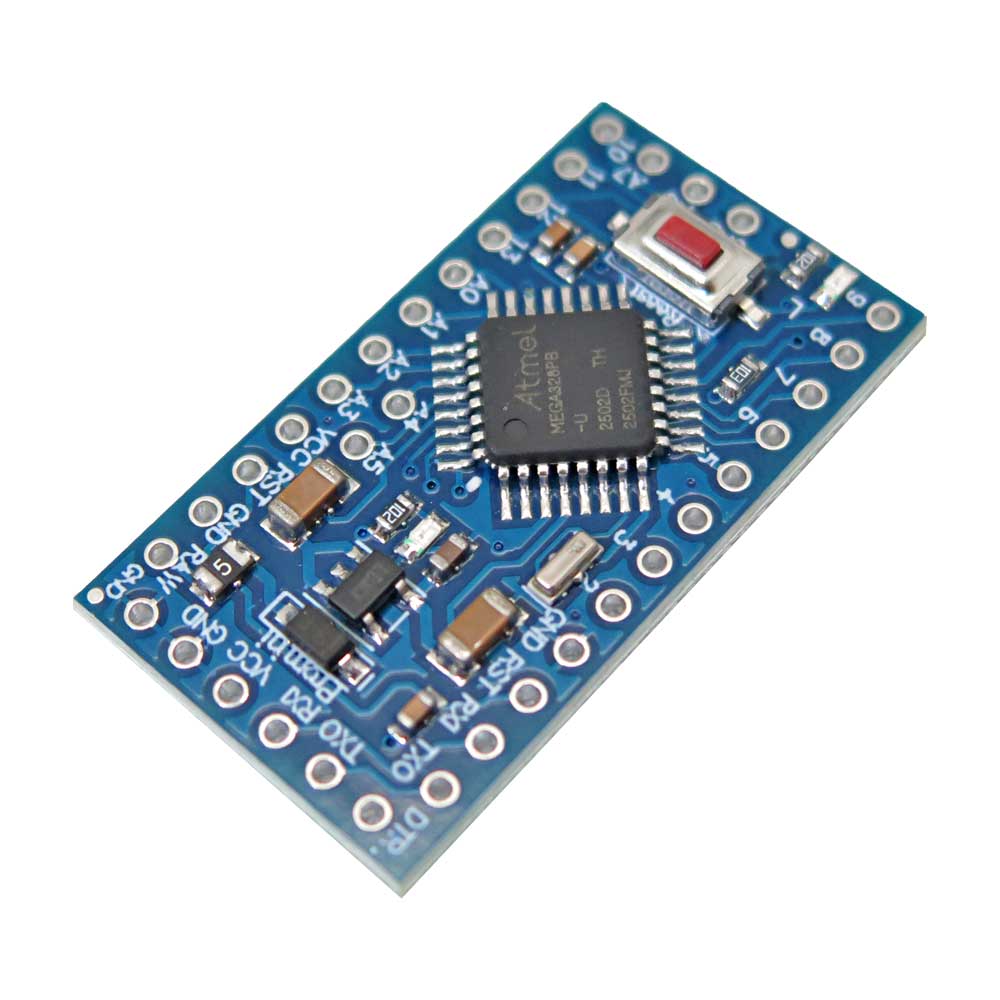
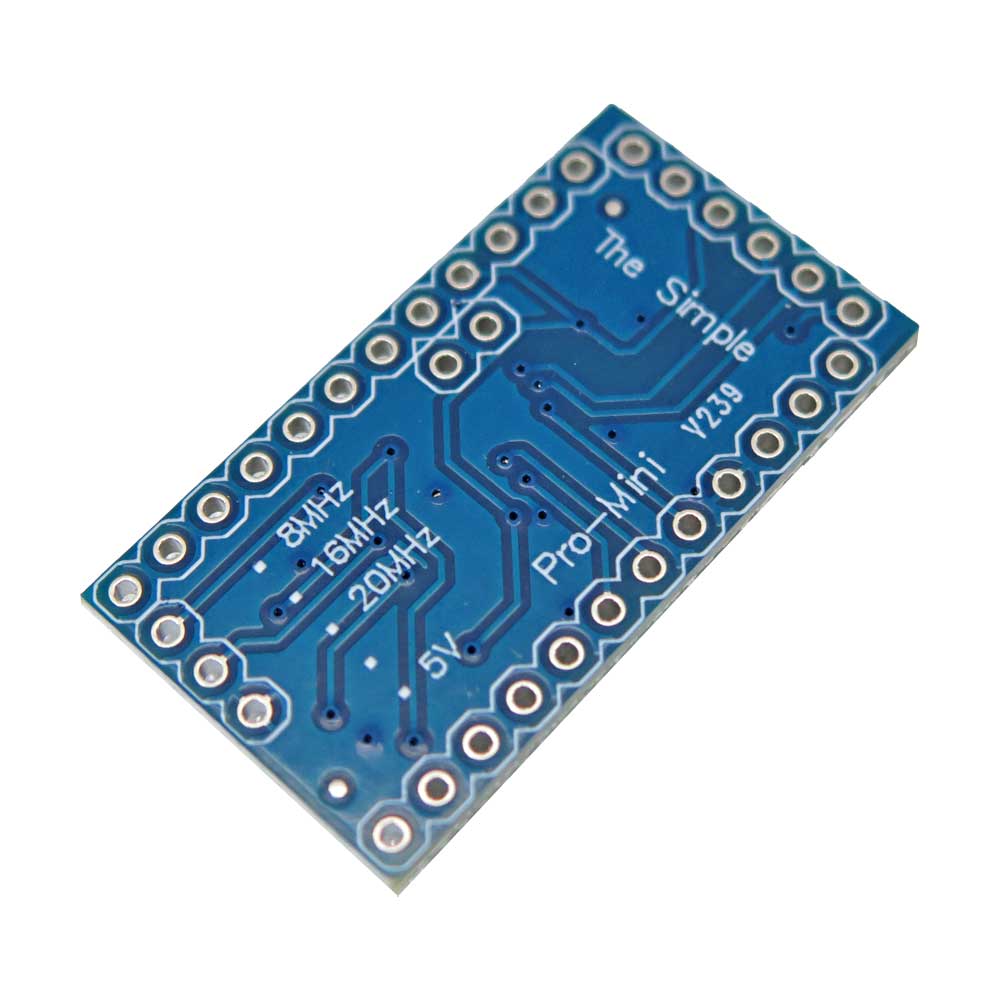
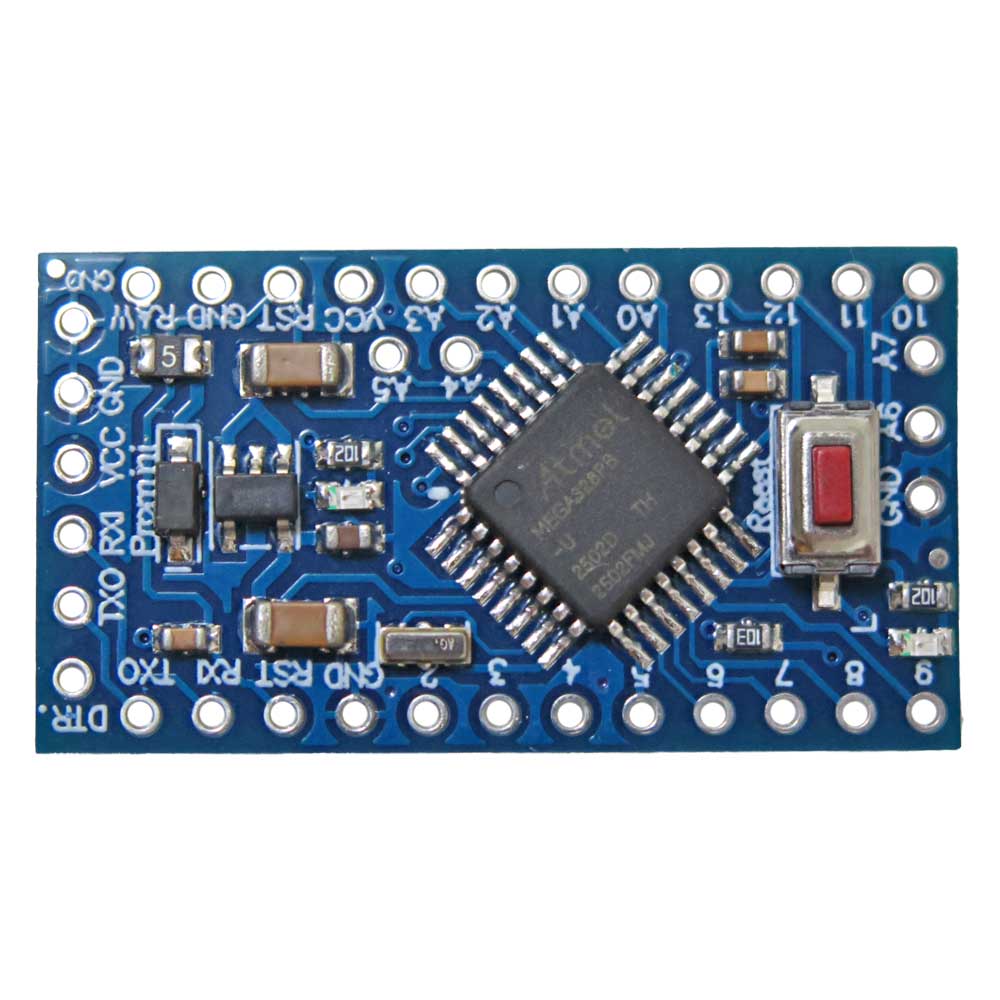
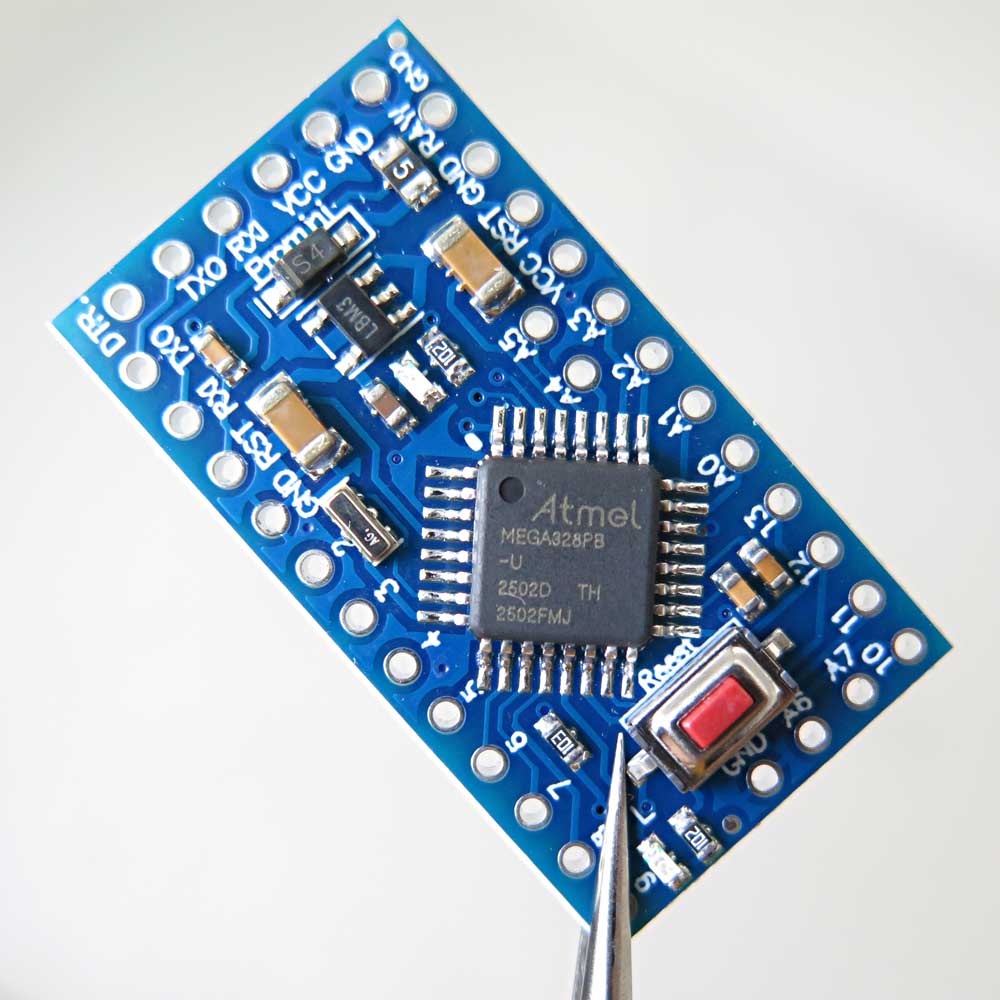
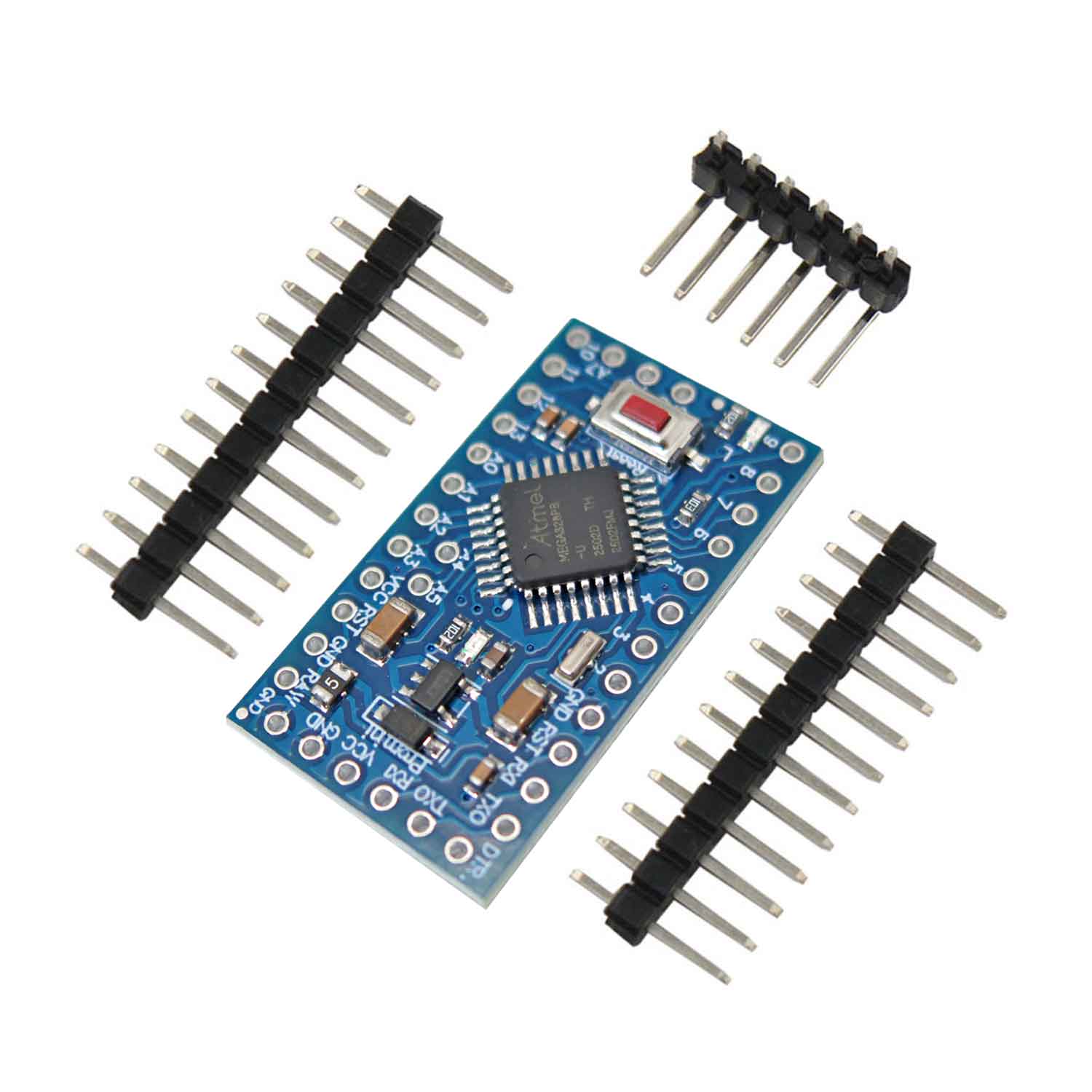
برد آردوینو Pro Mini دارای پردازنده مرکزی ATmega328PB
کاربرد برد آردوینو پرو مینی:
- ساخت انواع پروژه های پردازشی با فرکانس پایین
- راه اندازی انواع سنسور ها و ماژول ها
- ربات های پرنده و یا هواپیماهای مدل
مشخصات برد آردوینو پرو مینی:
- میکروکنترلر: ATmega328PB
- ولتاژ عملیاتی: 5 ولت
- محدوده ولتاژ ورودی: 20 ~ 6 ولت
- ولتاژ ورودی(پیشنهادی): 12 ~ 7 ولت
- پایه های ورودی و خروجی دیجیتال: 14 عدد که 6 پین به عنوان PWM استفاده می گردد.
- پایه های ورودی آنالوگ: 8 عدد
- جریان DC پایه های ورودی و خروجی: 40 میلی آمپر
- جریان DC پایه 3.3ولت: 50 میلی آمپر
- حافظه فلش: 32 کیلو بایت که 0.5 کیلو بایت آن در BootLoader استفاده می شود.
- سرعت کلاک: 16 مگاهرتز
- SRAM : 2 KB
- EEPROM : 1 KB
مستندات:
اطلاعات تکمیلی Arduino pro mini
Description:
Arduino Pro Mini is a microcontroller board that comes with an ATmega328 microcontroller incorporated inside the board. This board comes with 14 digital I/O out of which 6 pins are used for providing PWM output. There are 8 analog pins available on the board. It is very small as compared to Arduino Uno i.e. 1/6 of the total size of the Arduino Uno.
There is only one voltage regulator incorporated on the board i.e 3.3V or 5V based on the version of the board. The Pro Mini runs at 8 MHz for the 3.3V version which is half than the Arduino Uno board that runs at 16MHz. There is no USB port available on the board and it also lacks a built-in programmer. The labeling on the regulator defines the version of the board i.e. KB33 represents 3.3V edition and KB50 represents 5V edition. However, the board version can also be indicated by measuring the voltage between Vcc and GND pin.
This board doesn’t come with built-in connectors that give you the flexibility to solder the connector in any way you can, based on the requirements and space available for your project.
Like other Arduino boards, Arduino Pro Mini is open source i.e. you can modify and use the board according to your requirements as all the data and support related to this board is readily available.
Overcurrent protection ability is another feature that makes this device safe to use in the applications where passing current can affect the overall performance of the project. It comes with a flash memory of 32KB out of which 0.5 is used for a bootloader. The flash memory is used for storing the code of the board. It is a non-volatile memory and stores information even if the connection with the voltage supply is lost.
SRAM is a Static Random Access Memory which is 2KB. RAM memory is highly volatile in nature and mainly depends on the constant source of power supply.
EEPROM comes with a memory of 1KB. It is a read-only memory (ROM) that can be erased and reprogrammed. This memory can be erased by using higher than normal electrical signals.
Features:
- Microcontroller: ATmega328PB
- RAW Voltage: 5V to 12V
- Operating Voltage: 3.3V or 5V (Based on the version)
- Digital Pins: 14
- Analog Pins: 8 (Labelled as A0 to A7)
- PWM: 6 pins out of 14 digital pins
- Clock Frequency: 8MHz for 3.3V / 16MHz for 5V
- USB Port: No
- Flash Memory: 32KB
- SRAM: 2KB
- Bootloader: 0.5KB
- EEPROM: 1KB
- Wi-Fi: No
- Arduino Shield Compatibility: No
- Current through each I/O pin: 40mA
- Maximum Current drawn from the chip: 200mA