1,370,300 تومان
کالا موجود استموجودی انبار : 3 عدد
علاقه مندان : -
وضعیت : فعال
تعداد مرجوعی : 0
دنبال کنندگان : 4 نفر
قدمت : 2 سال و 6 ماه و 7 روز
وزن : 44 گرم
کل فروش : 27 عدد
تعداد سفارش ها : 23 سفارش
هنوز هیچ رایی ثبت نشده است
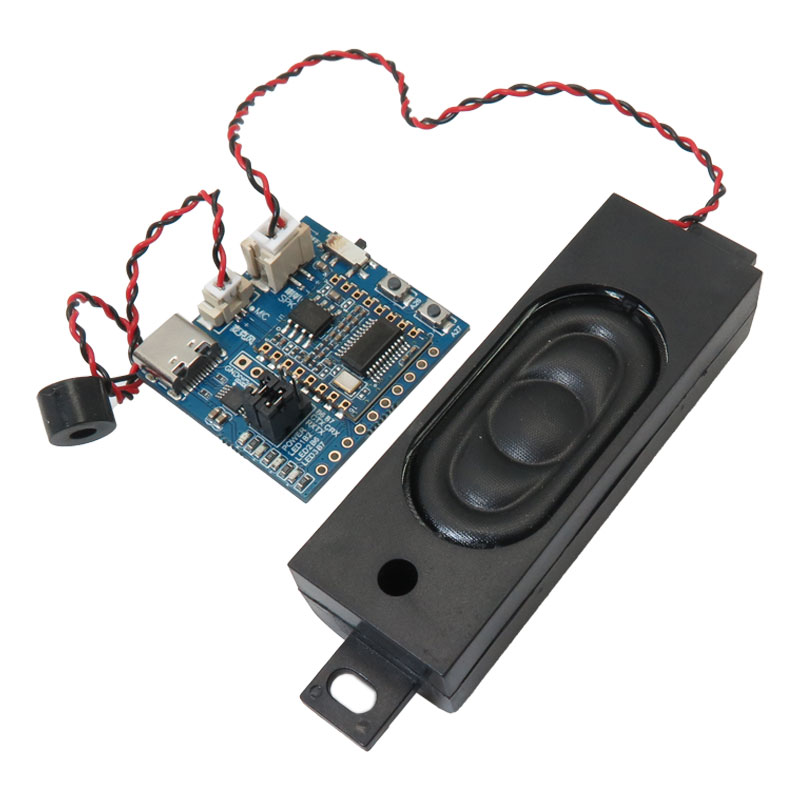
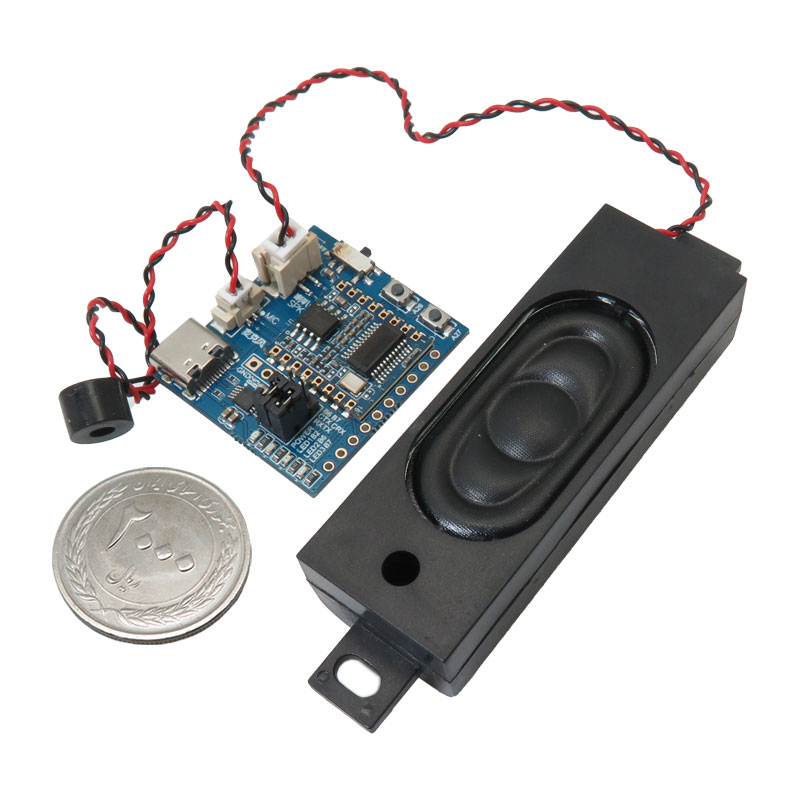
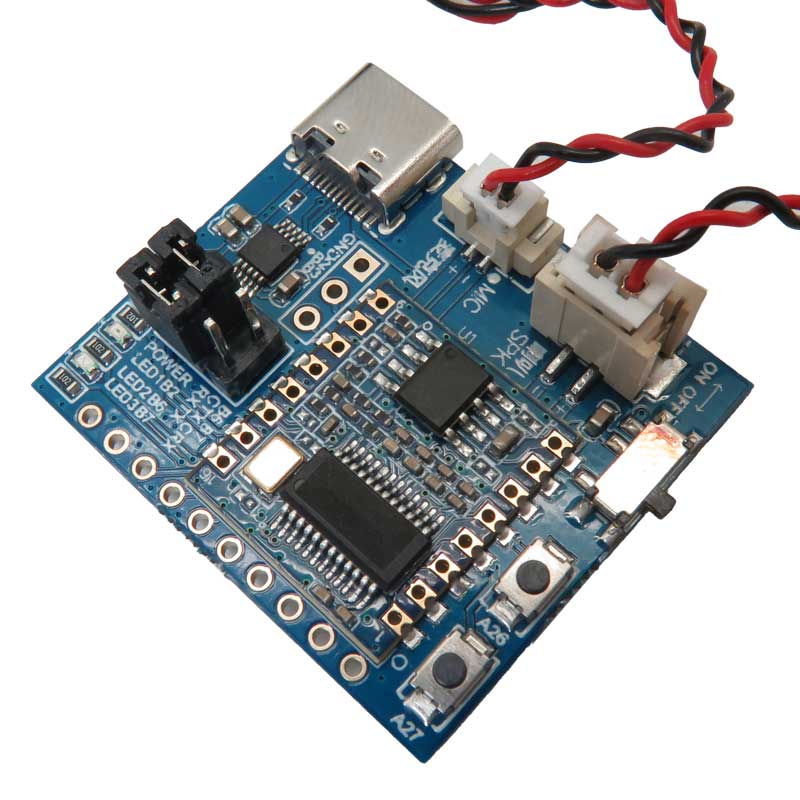
معرفی ماژول کنترل صوتی هوشمند HLK V20 Kit 2
ماژول کنترل صوتی HLK V20 یک راهکار سخت افزاری برای افزودن قابلیت تشخیص فرمان های صوتی به تجهیزات الکترونیکی و پروژه های هوشمند است. این محصول با استفاده از پردازنده داخلی 32 بیتی و واحد پردازش سیگنال دیجیتال، فرمان های صوتی از پیش تعریف شده را شناسایی می کند.
یکی از قابلیت های مهم این محصول، تشخیص گفتار آفلاین است. برای شناسایی فرمان های تعریف شده، نیازی به اتصال دائمی اینترنت یا ارسال صدا به سرویس های پردازش ابری وجود ندارد. کلمات بیدارباش، فرمان های صوتی و پیام های پاسخ نیز می توانند متناسب با نیاز پروژه سفارشی سازی شوند.
طبق مشخصات سازنده، مدل V20 از حداکثر 150 فرمان صوتی محلی پشتیبانی می کند. این ماژول همچنین امکان تعریف حداکثر 10 فرمان بدون نیاز به کلمه بیدارباش را فراهم می سازد.
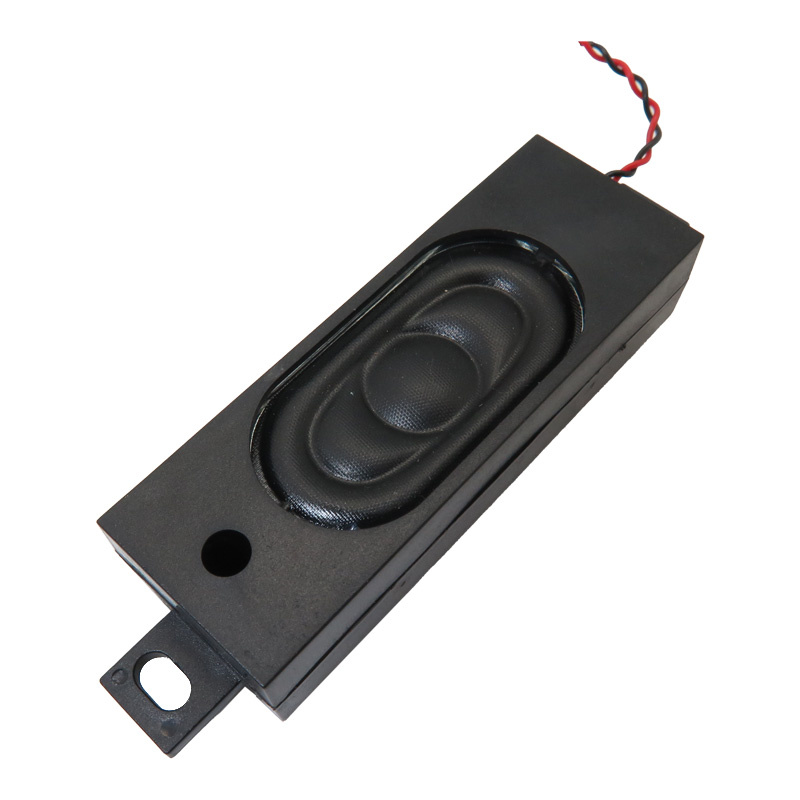
این کیت از ورودی میکروفون آنالوگ و خروجی صوتی دو کاناله DAC پشتیبانی می کند و دارای خروجی تفاضلی تقویت کننده صوتی برای اتصال بلندگو است. بلندگوی 8 اهم با توان 1 وات در آزمایش مصرف جریان سازنده استفاده شده است. قابلیت پخش پیام هنگام راه اندازی و تبدیل متن به گفتار (TTS) نیز در آن وجود دارد.
برای ارتباط با مدارها و کنترلرهای خارجی، رابط های UART، SPI، I2C و I2S در کنار پایه های GPIO، خروجی های PWM و مبدل آنالوگ به دیجیتال در نظر گرفته شده اند. این مجموعه امکان استفاده از محصول را در پروژه های کنترلی و الکترونیکی متنوع فراهم می کند.
مدار تغذیه داخلی شامل رگولاتورهای LDO برای تامین ولتاژ مورد نیاز بخش های مختلف تراشه است. منبع ساعت RC با فرکانس 12 مگاهرتز، مدار PLL، ریست هنگام روشن شدن (POR)، تشخیص افت ولتاژ و Watchdog نیز از دیگر امکانات سخت افزاری آن هستند.
این محصول برای ساخت تجهیزات خانه هوشمند، سیستم های کنترل روشنایی، پروژه های رباتیک و سامانه هایی که به اجرای فرمان های صوتی مشخص نیاز دارند، مناسب است.
کاربردهای ماژول کنترل صوتی HLK V20 Kit 2
- ساخت سیستم های کنترل صوتی برای تجهیزات الکترونیکی
- پیاده سازی فرمان های صوتی در پروژه های خانه هوشمند
- کنترل روشنایی و تجهیزات برقی با استفاده از فرمان های از پیش تعریف شده
- استفاده در پروژه های رباتیک و سامانه های کنترلی
- ساخت تجهیزات دارای قابلیت تشخیص فرمان صوتی به صورت آفلاین
- توسعه و آزمایش سیستم های مبتنی بر پردازش و تشخیص گفتار
مشخصات فنی ماژول HLK V20 Kit 2
- مدل: V20 Kit 2
- نوع پردازنده: هسته 32 بیتی RISC
- فرکانس پردازنده: 240 MHz
- پردازشگر سیگنال دیجیتال: DSP
- واحد محاسبات ممیز شناور: FPU
- شتاب دهنده پردازش FFT
- حافظه داخلی: SRAM پرسرعت و 2 MB حافظه Flash
- ورودی صوتی: یک کانال میکروفون آنالوگ
- خروجی صوتی: DAC دو کاناله
- رابط صوتی دیجیتال: I2S با قابلیت ورودی و خروجی
- تقویت کننده صوتی: خروجی تفاضلی برای اتصال بلندگو
- بلندگوی مورد استفاده در آزمایش سازنده: 8 اهم، 1 وات
- تعداد GPIO: پشتیبانی از حداکثر 10 پایه
- تعداد پایه های GPIO قابل مشاهده در نقشه 16 پایه ماژول: 8 پایه
- رابط SPI Master: یک رابط با حداکثر سرعت 30 MHz
- رابط SPI Slave: یک رابط با حداکثر سرعت 30 MHz
- رابط UART: یک رابط Full-Duplex با حداکثر سرعت 3 Mbps
- رابط I2C: کنترلر Master/Slave با حداکثر سرعت 400 kHz
- خروجی PWM: دو کانال
- مبدل ADC: نوع SAR با دقت 12 بیت
- حداکثر نرخ نمونه برداری ADC: 450 kHz
- منبع ساعت: RC با فرکانس 12 MHz
- منبع ساعت دیگر: PLL
- تغذیه داخلی: رگولاتورهای LDO با تبدیل 5 ولت به 3.3 ولت و 3.3 ولت به 1.2 ولت
- مدارهای حفاظتی و راه اندازی: POR، تشخیص افت ولتاژ و Watchdog
- تعداد پایه های ماژول: 16 پایه
- ولتاژ ورودی: 3.6 تا 5 ولت DC مطابق دیتاشیت V2.1
- جریان متوسط در حالت آماده به کار: حدود 63 میلی آمپر در 5 ولت
- جریان متوسط هنگام تشخیص با بلندگوی 8 اهم و 1 وات: حدود 77 میلی آمپر در 5 ولت
- دمای کاری: منفی 20 تا مثبت 85 درجه سانتی گراد
نکته: آشنایی با برخی اصطلاحات فنی به درک بهتر قابلیتهای این تراشه کمک میکند:
DSP یا پردازشگر سیگنال دیجیتال، واحدی تخصصی برای پردازش سریع دادههایی مانند صدا و سیگنال حسگرها است که میتواند عملیات پردازشی مانند فیلتر کردن نویز و تحلیل سیگنال را انجام دهد.
FPU یا واحد محاسبات ممیز شناور، بخشی از پردازنده است که محاسبات ریاضی مربوط به اعداد اعشاری را به صورت سختافزاری انجام میدهد و در اجرای سریعتر محاسبات پیچیده کاربرد دارد.
FFT یا تبدیل فوریه سریع، روشی برای تحلیل فرکانسی سیگنالها است. شتابدهنده FFT یک واحد سختافزاری است که محاسبات این تبدیل را سریعتر انجام میدهد و در کاربردهایی مانند تحلیل صدا و شناسایی فرکانسها مفید است.
امکانات و رابط های ارتباطی ماژول
- تشخیص آفلاین فرمان های صوتی بدون نیاز به اتصال اینترنت
- پشتیبانی از حداکثر 150 فرمان صوتی محلی در مدل HLK V20
- امکان تعریف کلمات بیدارباش سفارشی
- امکان تعریف فرمان های صوتی اختصاصی
- پشتیبانی از حداکثر 10 فرمان بدون نیاز به کلمه بیدارباش
- قابلیت تعریف پیام صوتی سفارشی هنگام راه اندازی
- پشتیبانی از پخش گفتار سفارشی با قابلیت TTS
- رابط UART برای ارتباط سریال دوطرفه با میکروکنترلرها، با سرعت حداکثر 3 Mbps
- رابط SPI در دو حالت Master و Slave با سرعت حداکثر 30 MHz
- رابط I2C با قابلیت کار در حالت Master و Slave و سرعت حداکثر 400 kHz
- رابط صوتی دیجیتال I2S با قابلیت ورودی و خروجی
- پشتیبانی از حداکثر 10 GPIO و قابلیت تنظیم پایه ها به عنوان ورودی وقفه خارجی و منبع بیدارباش
- دو خروجی PWM برای کنترل تجهیزات جانبی
- مبدل آنالوگ به دیجیتال 12 بیتی از نوع SAR-ADC با نرخ نمونه برداری حداکثر 450 kHz
- ورودی میکروفون آنالوگ AMic و پشتیبانی از ورودی میکروفون دیجیتال DMic در مجموعه تجهیزات جانبی سیستم
- خروجی صوتی دو کاناله DAC
- خروجی تفاضلی تقویت کننده صوتی برای اتصال بلندگو
- مدار داخلی POR برای ریست هنگام روشن شدن
- تشخیص افت ولتاژ و مدار Watchdog
- رگولاتورهای داخلی LDO برای تامین ولتاژ مورد نیاز بخش های مختلف تراشه
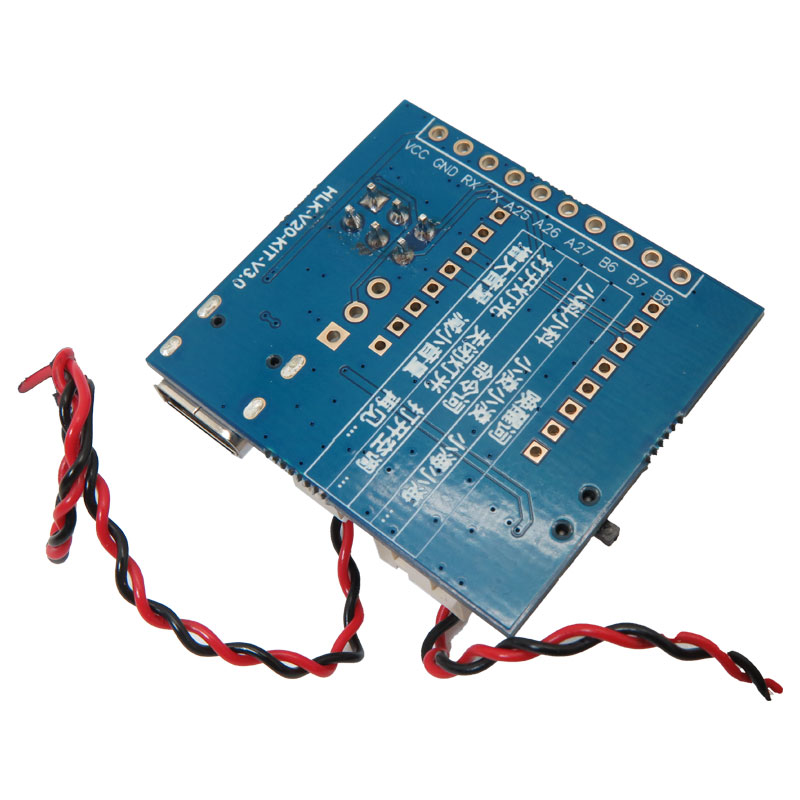
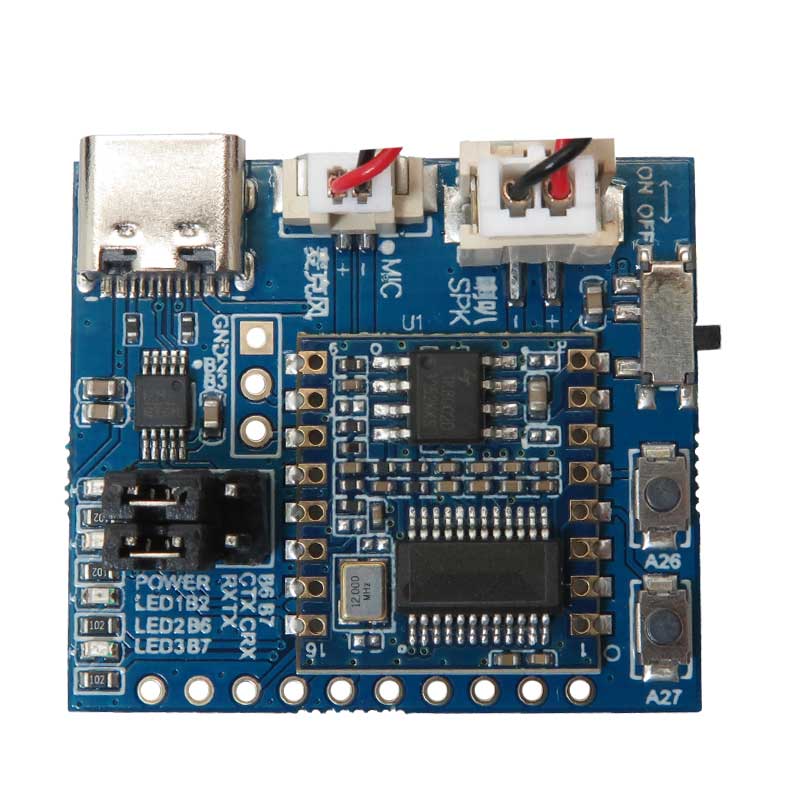
معرفی پایه های ماژول HLK V20
- پایه 1 - B8: ورودی/خروجی عمومی (GPIO)، با قابلیت ورودی وقفه و منبع بیدارباش طبق پیکربندی.
- پایه 2 - B7: ورودی/خروجی عمومی (GPIO).
- پایه 3 - B6: ورودی/خروجی عمومی (GPIO).
- پایه 4 - A27: ورودی/خروجی عمومی (GPIO).
- پایه 5 - A26: ورودی/خروجی عمومی (GPIO).
- پایه 6 - SPK-: خروجی تفاضلی تقویت کننده صوتی؛ ترمینال P در جدول دیتاشیت چینی V2.1.
- پایه 7 - SPK+: خروجی تفاضلی تقویت کننده صوتی؛ ترمینال N در جدول دیتاشیت چینی V2.1.
- پایه 8 - VCC: ورودی تغذیه ماژول.
- پایه 9 - GND: زمین مدار.
- پایه 10 - B2: ورودی/خروجی عمومی (GPIO).
- پایه 11 - B3: ورودی/خروجی عمومی (GPIO).
- پایه 12 - A25: ورودی/خروجی عمومی (GPIO).
- پایه 13 - MIC-: ورودی منفی سیگنال میکروفون اول (MIC1).
- پایه 14 - MIC+: ورودی مثبت سیگنال میکروفون اول (MIC1).
- پایه 15 - RX: ورودی دریافت اطلاعات رابط سریال UART.
- پایه 16 - TX: خروجی ارسال اطلاعات رابط سریال UART.
پرسشهای متداول
-
آیا میتوان به ماژول فرمان صوتی داد؟
بله، این ماژول فرمانهای صوتی از پیش تعریفشده را تشخیص میدهد و متناسب با هر فرمان میتواند خروجی کنترلی یا اطلاعات سریال ارسال کند. -
آیا برای تشخیص فرمانها به اینترنت نیاز دارد؟
خیر، پردازش فرمانهای تعریفشده بهصورت آفلاین انجام میشود. -
آیا امکان استفاده از زبان فارسی وجود دارد؟
در مشخصات رسمی سازنده، زبانهای چینی و انگلیسی ذکر شدهاند و پشتیبانی از تشخیص گفتار فارسی تأیید نشده است. -
آیا میتوان فرمانهای صوتی را تغییر داد؟
بله، امکان سفارشیسازی فرمانها و پاسخهای صوتی وجود دارد؛ اما این کار به سامانه و فرایند تولید Firmware سازنده نیاز دارد. -
آیا میتوان ماژول را به آردوینو متصل کرد؟
بله، از طریق رابط UART میتوان اطلاعات مربوط به فرمانهای تشخیص دادهشده را به آردوینو یا سایر میکروکنترلرها ارسال کرد. -
آیا میتوان با فرمان صوتی رله یا موتور را کنترل کرد؟
بله، اما خروجیهای GPIO برای راهاندازی مستقیم بارهای الکتریکی پرمصرف مناسب نیستند و باید از مدار درایور یا واسط مناسب استفاده شود. -
آیا ماژول قابلیت مکالمه آزاد مانند دستیارهای هوشمند را دارد؟
خیر، این محصول برای تشخیص فرمانهای صوتی از پیش تعریفشده طراحی شده است و قابلیت مکالمه آزاد و پاسخگویی به پرسشهای متنوع را ندارد.
مستندات:
وب سایت رسمی سازنده HLK-V20
The HLK V20 Kit 2 is an intelligent voice control development kit designed to add offline voice command recognition to electronic devices and smart projects. It uses an integrated 32-bit processor and digital signal processing capabilities to recognize predefined voice commands without an internet connection.
One of the main features of this module is offline speech recognition. Custom wake-up words, voice commands and response messages can be configured according to project requirements. According to the manufacturer's specifications, the HLK V20 supports up to 150 local voice commands, while the HLK V20S supports up to 50 commands.
The module supports one analog microphone input and dual-channel DAC audio output. It also provides a differential audio amplifier output for connecting an external speaker. An 8-ohm, 1-watt speaker is used in the manufacturer's power consumption test. Other audio features include customizable startup announcements, custom wake-up words, custom voice commands and Text-to-Speech (TTS) playback.
For communication with external circuits and controllers, the module provides a range of communication and control interfaces. These include UART, SPI Master and Slave, I2C, I2S, GPIO, PWM, SAR-ADC, AMic, DMic and DAC. These interfaces allow the module to be integrated with microcontrollers and other peripheral circuits.
The internal power supply circuitry includes LDO regulators that convert 5 V to 3.3 V and 3.3 V to 1.2 V for the chip. The module also uses a 12 MHz RC clock source and a PLL clock source. Additional hardware features include Power-on Reset (POR), low-voltage detection and a watchdog circuit.
The HLK V20 Kit 2 can be used in voice-controlled systems, smart home devices, robotics, lighting control and other applications that require predefined voice command recognition. It is designed for the development and evaluation of offline speech recognition and voice control systems.
Applications
- Building voice-controlled electronic systems
- Implementing voice commands in smart home projects
- Controlling lighting and electrical equipment using predefined voice commands
- Robotics and electronic control projects
- Developing devices with offline voice recognition capabilities
- Testing and developing speech processing and recognition systems
Technical Specifications
- Model: V20 Kit 2
- Processor Core: 32-bit RISC
- Processor Frequency: 240 MHz
- Digital Signal Processor: DSP
- Floating Point Unit: FPU
- FFT Accelerator
- Internal Memory: High-speed SRAM and 2 MB Flash
- Audio Input: 1-channel analog microphone input
- Audio Output: Dual-channel DAC
- Digital Audio Interface: I2S input/output
- Audio Amplifier: Differential speaker output
- Speaker Used in Manufacturer's Test: 8 ohms, 1 watt
- GPIO: Supports up to 10 GPIOs
- GPIO Pins Exposed on the 16-pin Module: 8 pins
- SPI Master: 1 interface, up to 30 MHz
- SPI Slave: 1 interface, up to 30 MHz
- UART: 1 Full-Duplex interface, up to 3 Mbps
- I2C: Master/Slave controller, up to 400 kHz
- PWM Outputs: 2 channels
- ADC: 12-bit SAR-ADC
- Maximum ADC Sampling Rate: 450 kHz
- Clock Source: 12 MHz RC oscillator
- Additional Clock Source: PLL
- Internal Power Regulation: LDO regulators for 5 V to 3.3 V and 3.3 V to 1.2 V conversion
- Power and Protection Circuits: POR, low-voltage detection and Watchdog
- Number of Module Pins: 16
- Input Voltage: 3.6–5 V DC according to datasheet V2.1
- Average Standby Current: Approximately 63 mA at 5 V
- Average Current During Wake-up Recognition with an 8-ohm, 1-watt Speaker: Approximately 77 mA at 5 V
- Operating Temperature: -20 to +85°C
Features and Communication Interfaces
- Offline voice command recognition without an internet connection
- Support for up to 150 local voice commands on the HLK V20 model
- Custom wake-up word configuration
- User-defined voice command configuration
- Support for up to 10 commands without requiring a wake-up word
- Customizable startup voice announcement
- Custom Text-to-Speech (TTS) playback
- UART interface for Full-Duplex serial communication with microcontrollers, up to 3 Mbps
- SPI Master and SPI Slave interfaces, each supporting up to 30 MHz
- I2C Master/Slave interface, up to 400 kHz
- I2S digital audio input/output interface
- Support for up to 10 GPIOs, configurable as external interrupt inputs and wake-up sources
- Two PWM output channels for controlling external devices
- 12-bit SAR-ADC with a maximum sampling rate of 450 kHz
- Analog microphone input (AMic) and digital microphone input support (DMic) among the system peripherals
- Dual-channel DAC audio output
- Differential audio amplifier output for connecting a speaker
- Power-on Reset (POR) circuit
- Low-voltage detection and Watchdog circuit
- Internal LDO regulators for supplying the required chip voltages